
Shipment Profile
- Cartons, pallets or packaged goods
- Known dimensions and weight
- Freight that can share capacity
- Clearly labelled consignments
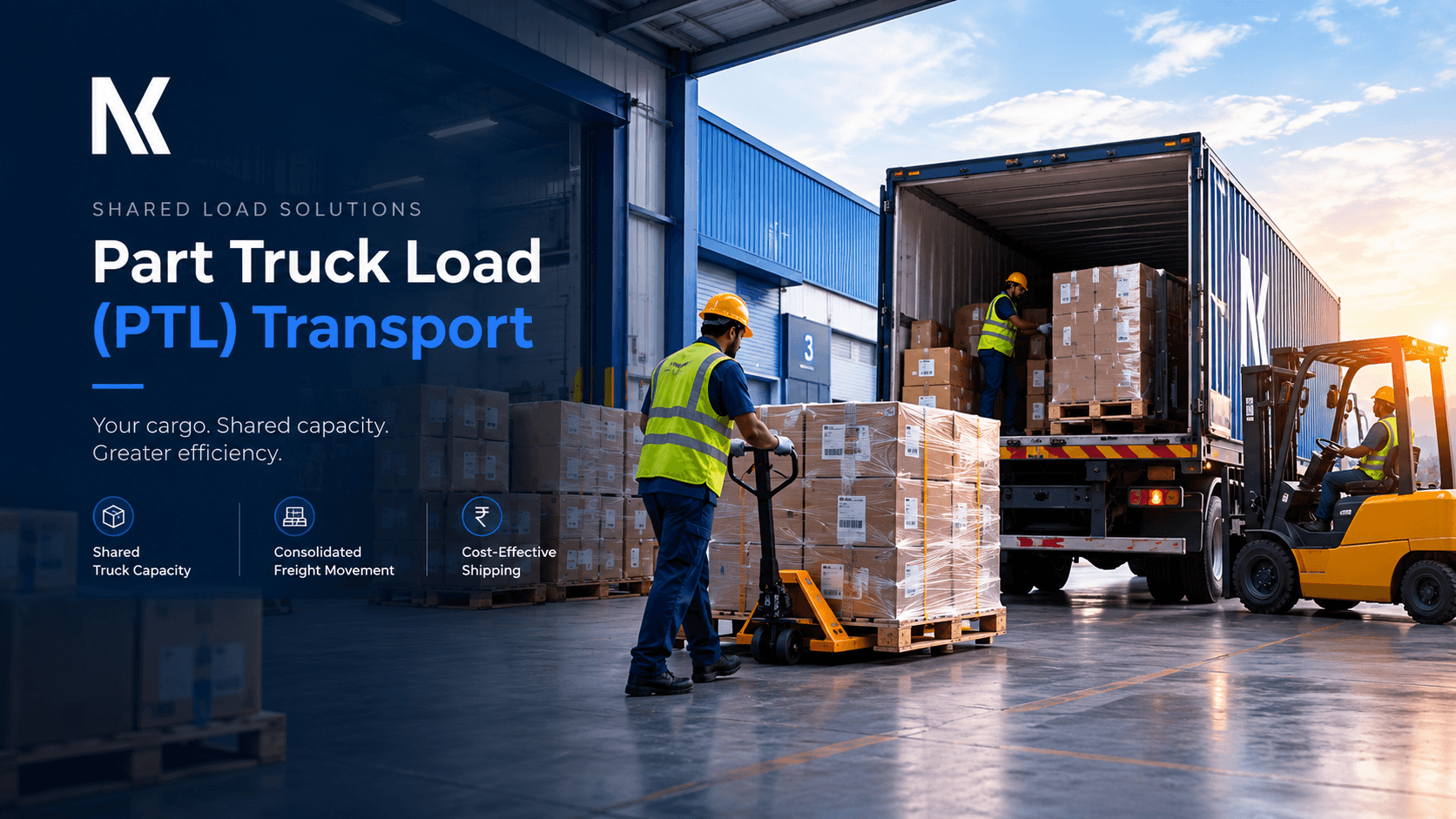
PTL transportation
Move cartons, pallets and smaller commercial consignments through shared vehicle capacity planned around consolidation, route compatibility and delivery requirements.
Understanding PTL
Part Truckload transportation allows a shipment to use part of a vehicle while compatible freight uses the remaining capacity.
The model can suit commercial consignments that are too large for parcel networks but do not justify a dedicated truck. Successful PTL depends on accurate shipment information, compatible consolidation and clear handling expectations.
Shipment fit
Consolidation logic
PTL works when shipment dimensions, weight, packaging and route are understood before consolidation.
NARSIK reviews the freight requirement so a lower-capacity shipment is not treated like an anonymous parcel.
Shipment data
Compatibility
Consolidation
Line haul
Delivery
PTL workflow
Share package count, weight, dimensions, cargo type and route.
Review whether the cargo can share capacity and handling conditions.
Coordinate compatible freight and a practical movement window.
Confirm labels, documents, packaging and loading readiness.
Coordinate line-haul movement and practical status updates.
Align delivery with consignee availability and unloading requirements.
Shipment scale, handling and route requirements help determine whether PTL or a parcel network is more suitable.
| Consideration | PTL freight | Parcel/courier |
|---|---|---|
| Typical profile | Cartons, pallets, commercial goods | Smaller individual parcels |
| Planning inputs | Weight, volume, dimensions and route | Parcel weight and delivery address |
| Handling | Freight-oriented consolidation | Parcel sorting network |
| Business use | Inventory and B2B dispatch | Small-package delivery |
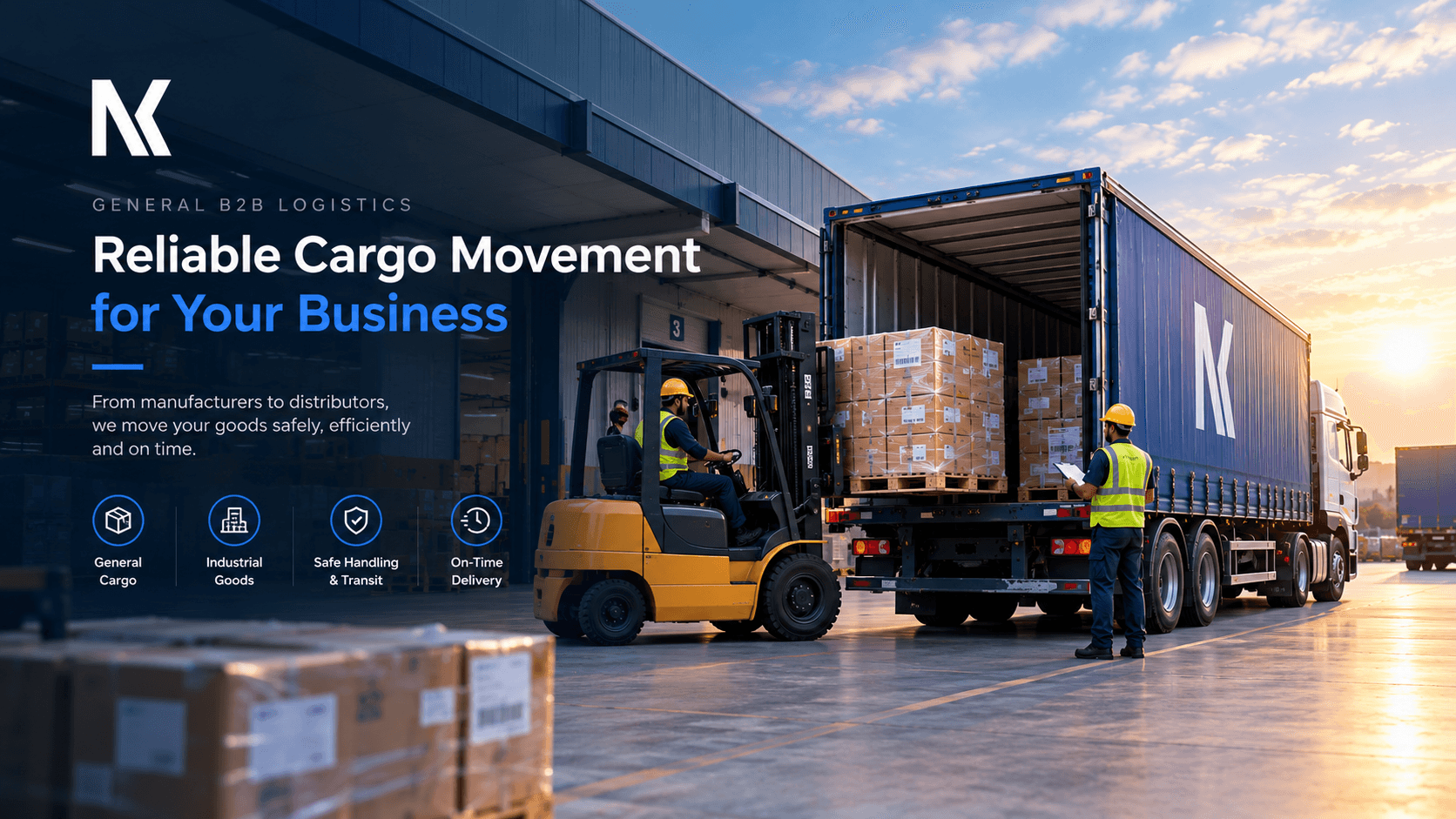
Packaging readiness
Packaging, labels, pallet condition and accurate dimensions affect how a shared-capacity shipment can be planned.
Questions answered
PTL means Part Truckload, where a shipment uses part of a vehicle's capacity alongside compatible freight.
Pricing can depend on route, chargeable weight or volume, package count, handling and delivery requirements.
Potentially, when pallet dimensions, weight, packaging and route are suitable for the available network.
Consider FTL when cargo requires dedicated capacity, fewer handling points, a direct plan or a full vehicle.
Plan the movement
Share the route, cargo profile, timing and handling requirements. NARSIK will review the shipment before recommending the next step.