
Larger Consignments
When shipment volume makes dedicated vehicle capacity practical.
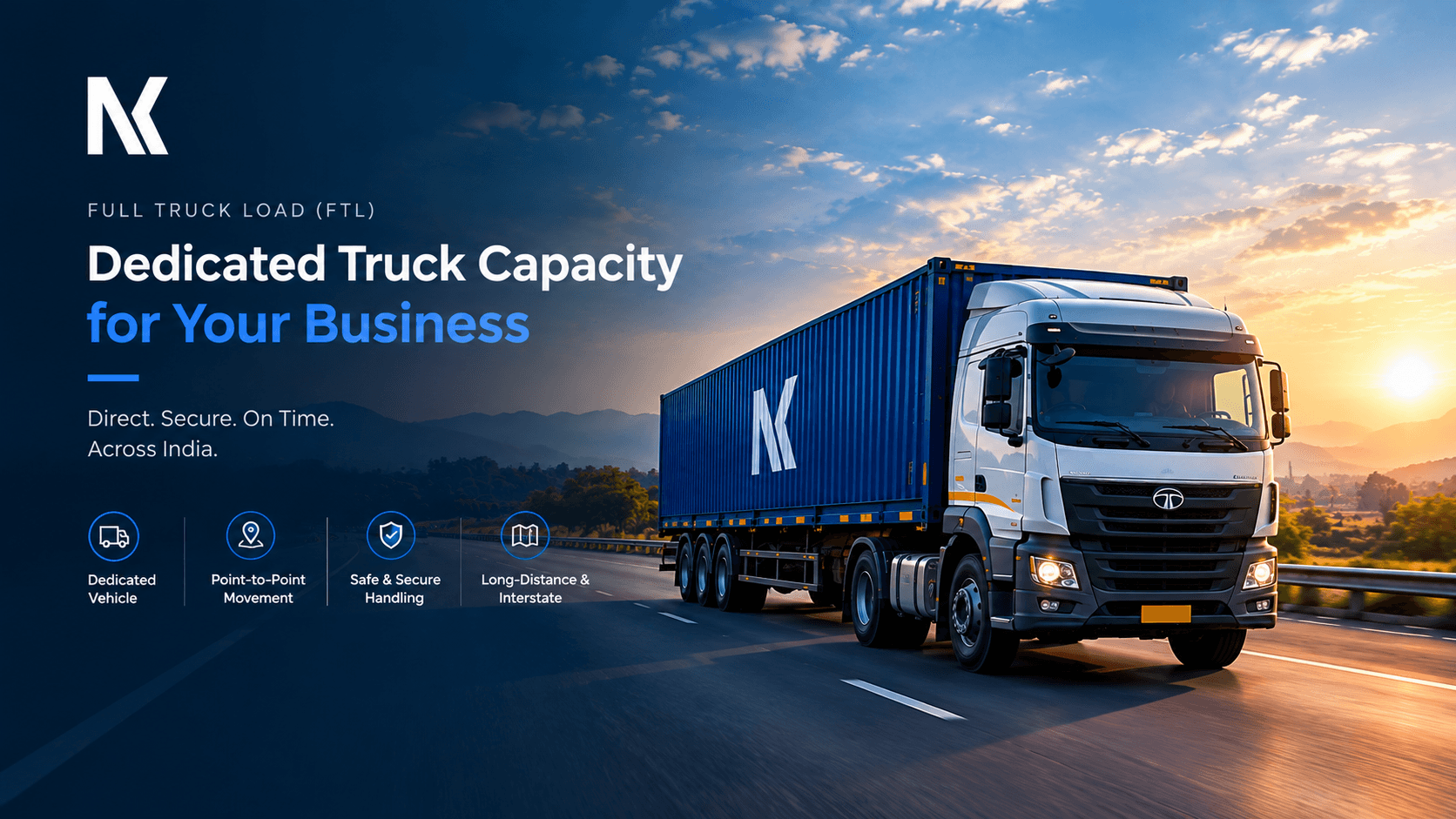
FTL transportation
Move larger consignments with dedicated truckload transportation planned around your cargo, route and delivery requirements. NARSIK helps businesses coordinate full truckload freight movement across Indian routes with a focus on planning, execution and delivery coordination.
Understanding FTL
Full Truckload, commonly referred to as FTL, is a transportation model where a truck is allocated primarily to a single shipment or customer movement rather than combining multiple unrelated consignments on the same vehicle.
FTL transportation is generally suited to larger cargo volumes, freight that needs dedicated vehicle capacity, or movements where direct travel between a defined origin and destination is important.
Effective FTL execution involves understanding the shipment, selecting suitable capacity, planning the route and coordinating the movement through delivery.
The FTL advantage
When shipment volume makes dedicated vehicle capacity practical.
When cargo is better suited to movement between a defined origin and destination.
When delivery must align with production, receiving or distribution schedules.
When minimizing intermediate handling is important to the shipment plan.
When the business needs a vehicle planned around its own freight requirement.
When cargo repeatedly moves between established origins and destinations.
More than a truck booking
A full truckload requirement is shaped by more than cargo volume. Weight, dimensions, loading conditions, origin, destination, delivery requirements and route considerations can all influence the transportation plan.
NARSIK approaches FTL movement by starting with the shipment requirement and working backward toward the transport plan.
Shipment
Requirement
Capacity
Route
Movement
Delivery
Planning variables
Movement workflow
Provide the origin, destination, cargo information and preferred movement schedule.
The shipment is assessed to determine suitable capacity and movement considerations.
Route, vehicle and operational requirements are considered before dispatch.
Pickup is aligned with cargo readiness and the origin's loading conditions.
The dedicated shipment proceeds through the planned route toward its destination.
Delivery is aligned with the receiving location and unloading requirements.
Choose the right model
FTL and PTL serve different freight requirements. The appropriate choice depends on shipment size, capacity, route, handling and delivery priorities.
| Consideration | FTL | PTL |
|---|---|---|
| Vehicle capacity | Dedicated capacity | Shared capacity |
| Shipment profile | Larger consignments | Smaller consignments |
| Utilization | Primarily one shipment | Shared between shipments |
| Handling | Typically fewer combinations | May involve consolidation handling |
| Route | Planned around the shipment | Coordinated with other freight |
| Suitable for | Dedicated freight requirements | Loads that do not require a full vehicle |
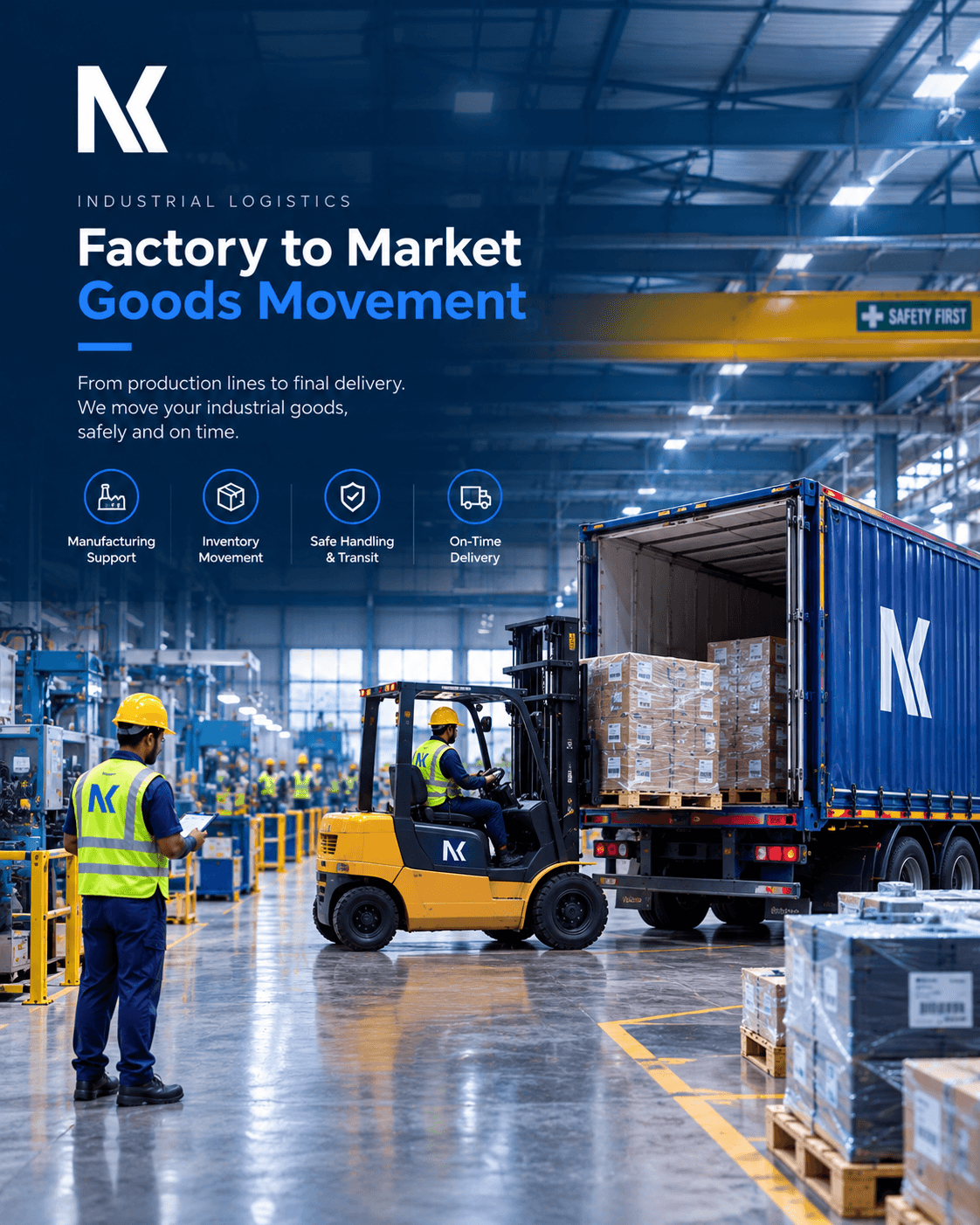
Business applications
Dedicated freight can support larger movements across manufacturing, automotive, FMCG, retail, infrastructure and industrial supply chains when the cargo and route suit an FTL plan.
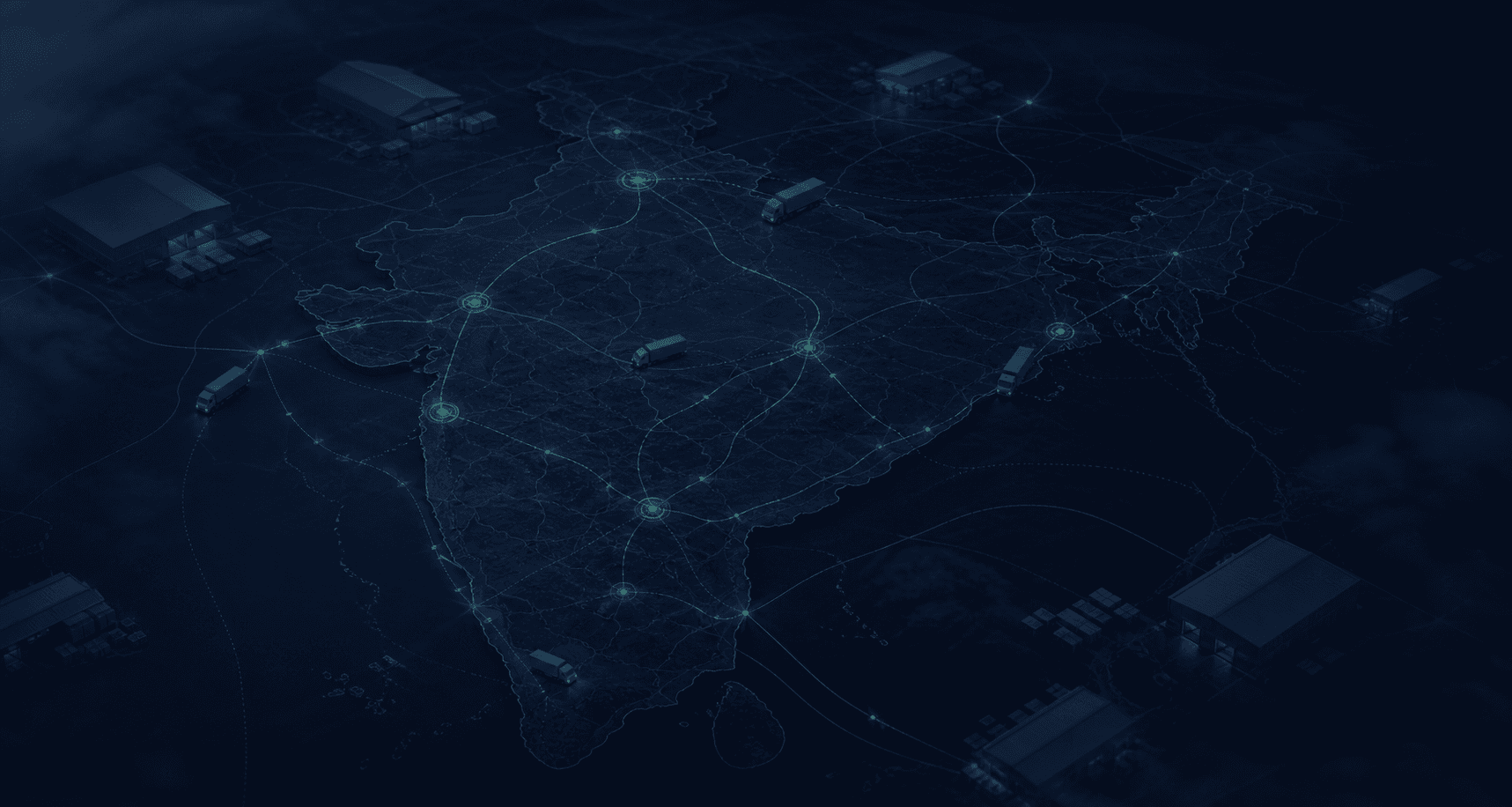
Geographic context
India’s road freight network connects manufacturing centres, distribution hubs, ports, industrial clusters and consumption markets. Specific routes remain subject to shipment requirements and vehicle availability.
Operational discipline
Transportation decisions affect loading, scheduling, inventory movement and delivery coordination.
An unsuitable vehicle can complicate loading, payload use and dispatch readiness.
Weak route planning can affect transit coordination and receiving schedules.
Unclear origin requirements can create avoidable vehicle waiting.
The receiving site, unloading method and delivery window must form part of the plan.
Prepare the requirement
Complete shipment information makes it easier to evaluate suitable transport capacity and route feasibility.
Questions answered
FTL stands for Full Truckload. It refers to dedicated truck capacity allocated primarily to a single shipment or customer movement.
FTL can suit shipments whose volume, route, handling or delivery requirements make dedicated vehicle movement appropriate.
FTL uses dedicated truck capacity; PTL shares capacity with compatible consignments.
Pricing can depend on origin, destination, distance, cargo profile, vehicle type, route, timing and operational requirements.
Yes. FTL can support interstate freight when route and vehicle feasibility are confirmed for the shipment.
Share pickup and delivery locations, cargo type, weight or volume, dimensions, dates and handling needs.
Not always. PTL may be more appropriate when a shipment can safely share capacity and does not require a full vehicle.
Yes. Recurring lanes can be assessed around cargo volume, frequency, route and vehicle availability.
Dedicated freight movement
Businesses moving larger commercial consignments often need more than transportation capacity alone. They need a movement plan that considers the shipment, origin, destination, vehicle requirement and delivery conditions together.
FTL transportation provides a dedicated truckload approach. Allocating capacity around a defined shipment lets businesses plan movement around their cargo and route requirements rather than combining it with unrelated consignments.
NARSIK’s FTL service is designed for businesses looking to coordinate full truckload transportation with structured shipment planning, vehicle coordination, route movement and delivery support.
Plan the movement
Share the route, cargo profile, timing and handling requirements. NARSIK will review the shipment before recommending the next step.