
The Lane
- Exact pickup and delivery
- Distance and route
- Access conditions
- Timing constraints
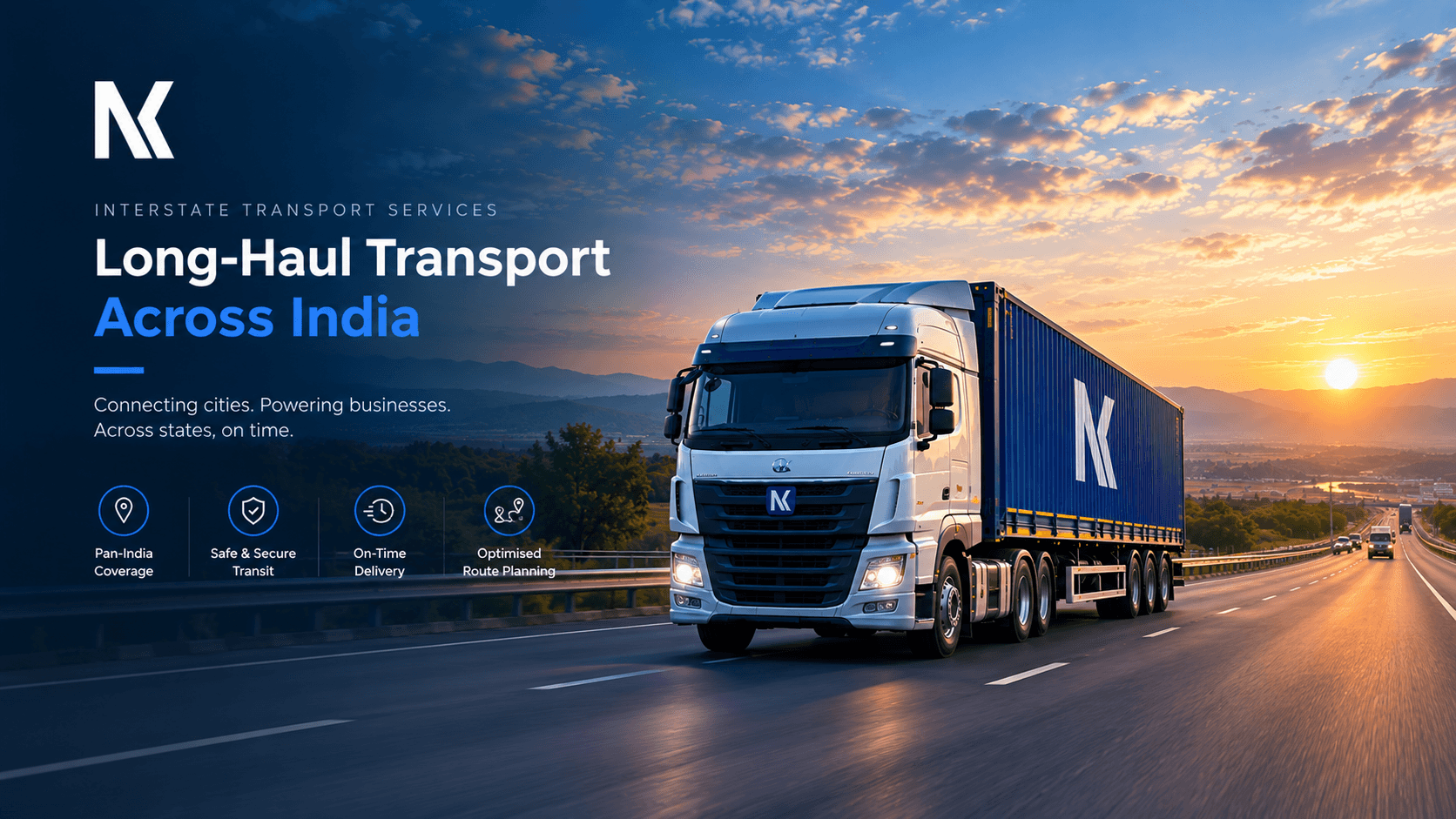
Interstate freight
Coordinate commercial freight between Indian states by reviewing the lane, cargo, vehicle, documents and delivery conditions as one movement plan.
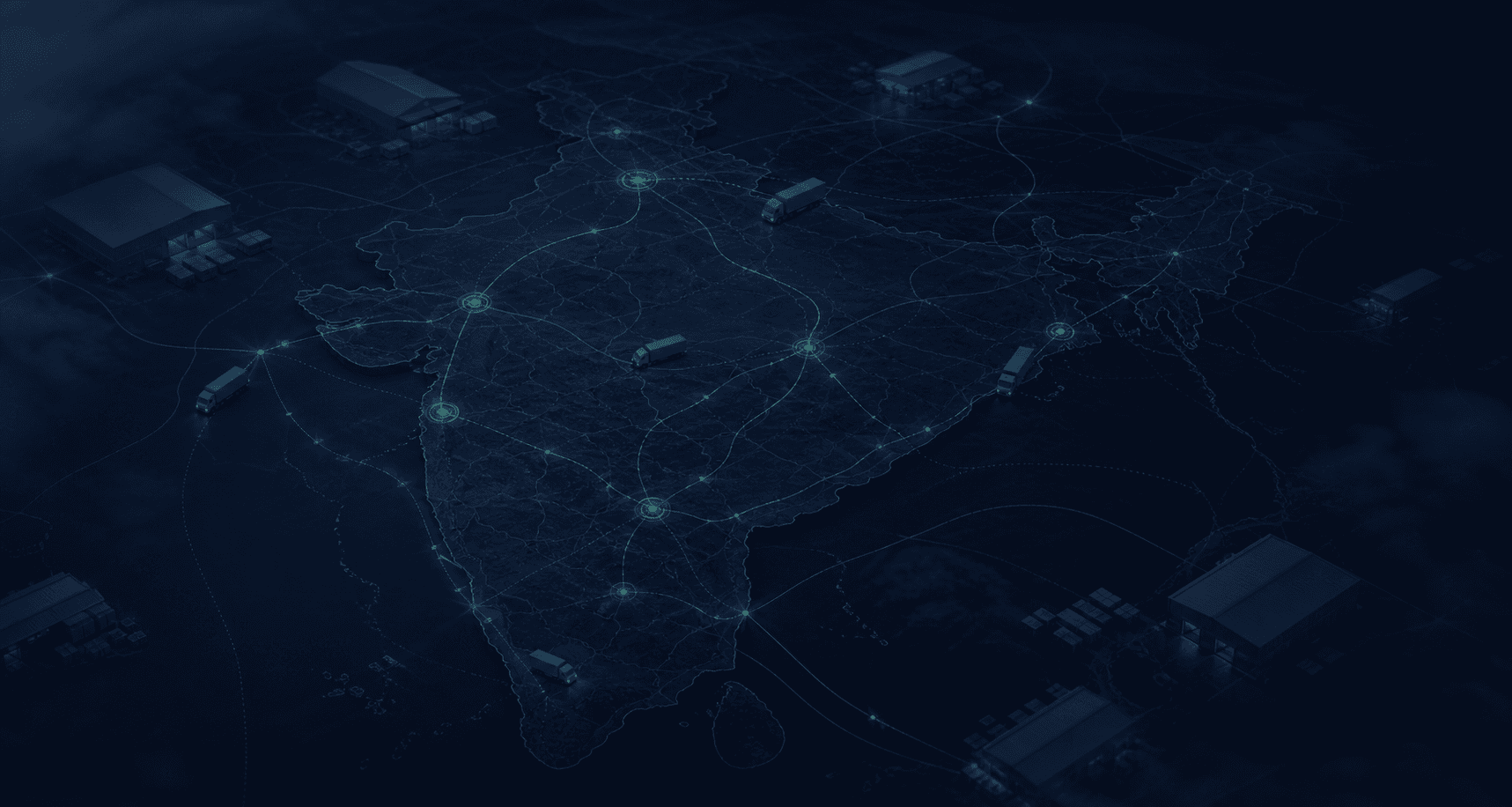
Lane before vehicle
The origin, destination and conditions between them influence vehicle selection, timing, documents and commercial planning.
State boundaries do not decide whether FTL or PTL is appropriate; the shipment does.
| Consideration | Interstate FTL | Interstate PTL |
|---|---|---|
| Capacity | Dedicated | Shared |
| Load profile | Larger/direct cargo | Smaller compatible cargo |
| Route plan | Shipment-led | Consolidation-led |
| Handling | Fewer combinations | May include consolidation |
Use complete addresses, not only city names.
Confirm commodity, quantity, dimensions and weight.
Check applicable commercial and movement documents.
Assess FTL, PTL and suitable vehicle categories.
Align driver, route and status communication.
Coordinate receipt, unloading and confirmation.
City names alone hide access and distance details.
Missing or inconsistent documents can delay dispatch.
Payload and body must reflect the actual freight.
Delivery timing must match site readiness.
Questions answered
Complete locations, cargo details, quantity, weight, dimensions, vehicle needs, dates and handling conditions.
Yes, when the shipment and lane are suitable for the selected capacity model.
Requirements depend on the goods, value and applicable regulation. The shipper should confirm the correct documents before dispatch.
Delivery expectations can be reviewed with route feasibility and receiving-site constraints.
Plan the movement
Share the route, cargo profile, timing and handling requirements. NARSIK will review the shipment before recommending the next step.